Mezzanine Approval Dubai: Complete Guide for 2026
Adding a mezzanine floor in Dubai — whether in a warehouse, retail unit, office, villa, or commercial space — is one of the most cost-effective ways to increase usable area without expanding your building’s footprint. However, mezzanine approval in Dubai is a mandatory legal requirement that must be obtained before any construction begins. Building a mezzanine without the proper permits from Dubai Municipality (DM) or the relevant authority is illegal and can result in stop-work orders, forced demolition, significant fines, and complications with your lease or trade license renewal.
This comprehensive guide covers everything you need to know about the mezzanine approval process in Dubai in 2026 — what it is, who needs it, which authorities are involved, the exact step-by-step process, costs, timelines, and expert tips to get your mezzanine approved without costly delays or rejections.
What Is Mezzanine Approval in Dubai?
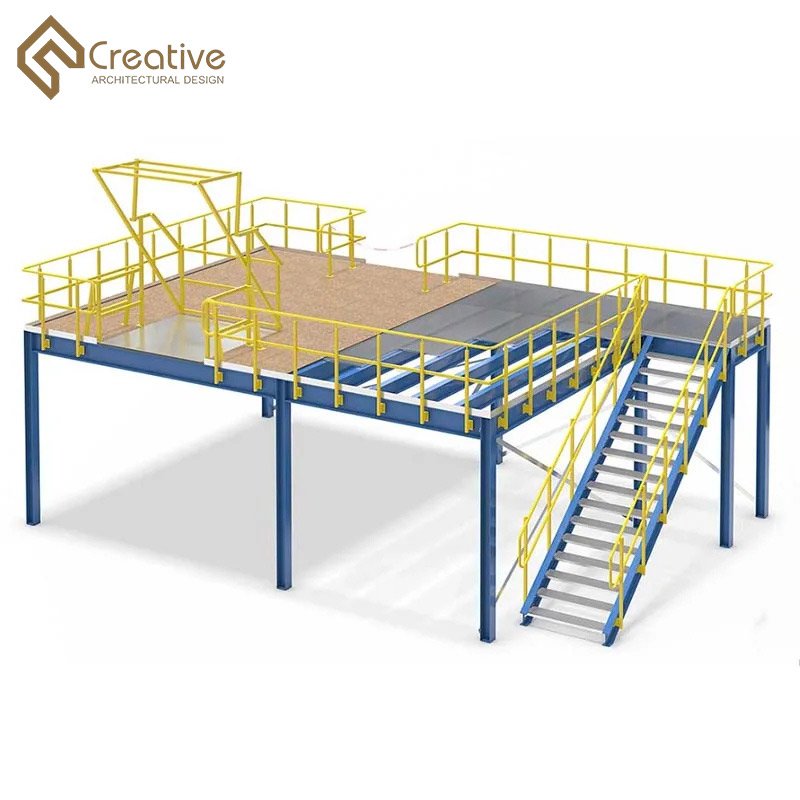
Mezzanine approval in Dubai is the official government authorization required to construct an intermediate floor — known as a mezzanine — within an existing building or as part of a new construction project. A mezzanine is a partial additional floor installed between the main floors of a building, most commonly used to maximize vertical space in high-ceiling warehouses, retail showrooms, offices, restaurants, and residential villas.
The approval process is governed primarily by Dubai Municipality (DM), which evaluates the structural integrity, fire safety, ventilation, emergency egress, and overall compliance of the proposed mezzanine with UAE building codes and DM regulations. Depending on the property’s location and type, additional approvals may be needed from:
- Dubai Civil Defence (DCD) — for fire safety systems, emergency exits, and fire suppression in commercial spaces
- Master Developer Authority — such as JAFZA, DAFZA, Dubai South, or Tecom for free zone properties
- Community / Landlord NOC — required in most commercial, industrial, and residential communities
- Dubai Development Authority (DDA) — for freehold development areas
Key takeaway: Mezzanine approval in Dubai is not optional. Any structural addition to an existing building — including a mezzanine floor — requires a formal building permit before a single beam is installed.
Why Is Mezzanine Approval Mandatory in Dubai?
Dubai enforces strict building permit regulations for mezzanine floors for several critical reasons:
- Structural Safety: An improperly engineered mezzanine can overload existing floor slabs, columns, and foundations — posing a serious collapse risk. DM review ensures structural calculations are verified by a licensed engineer.
- Fire Safety & Evacuation: Adding a mezzanine changes the fire load and occupancy of a space. Dubai Civil Defence requires that all additional floors have adequate fire suppression systems, smoke detectors, emergency lighting, and compliant exit routes.
- Building Code Compliance: UAE Fire and Life Safety Code and DM building regulations specify minimum clear heights, load capacities, staircase dimensions, and railing standards that all mezzanines must meet.
- Legal Liability: If a mezzanine collapses or causes injury and it was built without approval, the property owner faces full legal and financial liability — and insurance will not cover unapproved structures.
- Trade License & Lease Compliance: Many commercial landlords and free zone authorities require DM building permits to renew leases or trade licenses. An unapproved mezzanine can block both.
- Resale & Handover: Unapproved structural modifications must be disclosed or demolished when a property changes hands, creating costly complications.
Who Needs Mezzanine Approval in Dubai?
Mezzanine approval is required for any person or business constructing, modifying, or expanding a mezzanine structure in Dubai, including:
- Warehouse and logistics operators adding storage mezzanines in industrial units
- Retail businesses installing mezzanine floors in shops or showrooms
- Office tenants and owners adding a second level within a double-height commercial space
- Restaurant and F&B operators creating upper-level seating areas
- Residential villa owners adding a mezzanine within a high-ceiling room or double-volume space
- Gym, sports, and leisure facilities adding elevated viewing or equipment areas
- Developers and fit-out contractors installing mezzanines as part of a commercial build-out
- Anyone modifying, extending, or structurally altering an existing approved mezzanine
Types of Mezzanine Structures Requiring Approval in Dubai
Warehouse & Industrial Mezzanines
The most common type in Dubai. Installed within high-ceiling industrial units in areas like Al Quoz, JAFZA, DIP, and Dubai South to create additional storage or office space above the warehouse floor. These require structural engineering calculations, DM building permit, and in most cases a JAFZA or free zone authority NOC.
Retail & Showroom Mezzanines
Constructed within double-height retail units in malls, commercial buildings, or standalone showrooms to expand display or storage space. These typically require DM approval plus Dubai Civil Defence clearance for additional occupant load and fire egress.
Office Mezzanines
Added within large double-height office spaces to create additional workstations, meeting rooms, or storage. Fire safety compliance is a key focus for office mezzanines due to increased occupant density.
Residential Mezzanines
Built within villa rooms, duplexes, or townhouses with high ceilings to create a sleeping loft, study, or additional living area. These require DM building permit and community developer NOC, with strict height clearance requirements.
Restaurant & F&B Mezzanines
Upper-level seating areas are popular in Dubai’s dining scene. These require the most comprehensive approvals: DM structural permit, Dubai Civil Defence fire safety clearance, and sometimes a DM food safety compliance check for kitchen service areas.
Mezzanine Approval Process in Dubai: Step-by-Step (2026)
Step 1 — Pre-Application Feasibility Assessment
Before engaging a consultant or preparing any drawings, carry out a feasibility check to confirm:
- The existing building’s floor-to-ceiling height is sufficient (DM typically requires a minimum of 2.5m clear height both above and below the mezzanine)
- The existing structural slab or ground floor can support the additional load
- Whether the property falls under DM jurisdiction or a free zone authority
- Whether your lease or community rules permit structural modifications
- The applicable zoning and usage category of the space
Engaging a DM-registered structural consultant at this stage — even for a brief paid assessment — can save weeks of wasted effort on a non-viable design.
Step 2 — Obtain Landlord / Community NOC
In almost all cases, you will need a No Objection Certificate (NOC) from your landlord or building management before Dubai Municipality will accept your application. For free zone properties (JAFZA, DAFZA, Tecom, Dubai South), the free zone authority itself issues the NOC. For community villas or compounds, the master developer (EMAAR, Nakheel, etc.) must approve the modification first.
Step 3 — Appoint a DM-Registered Consultant & Prepare Technical Drawings
Engage a DM-registered civil or structural consultant to prepare the full technical package. This typically includes:
- Architectural drawings — plan, section, and elevation views of the proposed mezzanine showing dimensions, staircase, and railing details
- Structural engineering drawings — beam sizes, column positions, connection details, and load calculations
- Structural calculations report — verifying the mezzanine can safely carry the intended load (typically 300–500 kg/m² for storage, 250 kg/m² for office use)
- Existing building structural assessment — confirming the existing structure can support the new load
- MEP drawings (if applicable) — electrical, lighting, fire detection, and sprinkler extension plans
- Fire and Life Safety plan — showing emergency exit routes, fire extinguisher locations, and smoke detector layout
Step 4 — Submit Application via Dubai Municipality Portal
Applications are submitted through the Dubai Municipality online building permits portal (dm.gov.ae). The submission package includes all technical drawings, consultant details, landlord NOC, title deed or lease agreement copy, and applicable permit fees. DM assigns a reference number and the technical review begins.
Step 5 — Dubai Civil Defence (DCD) Approval
For any commercial mezzanine (retail, office, warehouse, restaurant), Dubai Civil Defence approval is required in parallel with or following DM review. DCD evaluates:
- Fire suppression system coverage (sprinklers must cover the new mezzanine area)
- Smoke and heat detector placement
- Emergency lighting and exit signage
- Staircase width and exit door compliance
- Fire rating of structural materials used
DCD may require a licensed fire safety consultant to prepare and certify the fire protection drawings separately.
Step 6 — DM Technical Review & Building Permit Issuance
Dubai Municipality’s technical reviewers assess all submitted drawings and structural calculations. This stage commonly involves one or more rounds of comments requiring design revisions. Once all comments are satisfactorily addressed and all NOCs confirmed, DM issues the official Building Permit authorising construction to commence.
Step 7 — Construction by DM-Registered Contractor
Construction must be carried out by a DM-registered contractor. The contractor is responsible for following the approved drawings precisely. Any deviation from the approved design — even minor — requires a drawing amendment and re-approval before implementation. The contractor must display the building permit on site throughout construction.
Step 8 — Stage Inspections During Construction
DM inspectors will visit the site at key construction milestones to verify work matches the approved plans. Typical inspection stages include:
- Column and beam installation / structural frame stage
- Decking and floor plate installation
- Staircase and railing installation
- MEP rough-in (electrical, fire detection, sprinklers)
Step 9 — Final Inspection & Completion Certificate
Once construction is complete, DM conducts a final inspection to verify full compliance with the approved drawings and UAE building standards. Dubai Civil Defence also conducts a final fire safety inspection for commercial mezzanines. Upon passing both inspections, the Completion Certificate (Building Completion Notice) is issued — your legal proof that the mezzanine is approved and safe to use.
Key Requirements for Mezzanine Approval in Dubai
Structural & Design Standards
- Minimum clear height: 2.5 metres above and below the mezzanine (some authorities require 2.7m below for commercial use)
- Maximum coverage: A mezzanine must typically not cover more than 30–50% of the floor area of the space below (varies by authority and usage)
- Load capacity: Minimum 250 kg/m² for office use, 300–500 kg/m² for storage and industrial use
- Staircase: Minimum 900mm clear width, with handrails on both sides; gradient not to exceed 42 degrees
- Railing / balustrade: Minimum 1.1 metres high with no climbable horizontal elements
- Structural materials: Steel, timber (limited), or reinforced concrete — must be specified and certified
- Fire rating: Structural elements must meet minimum 30–60 minute fire resistance rating for commercial spaces
Fire & Life Safety Requirements (DCD)
- Sprinkler system extended to cover the full mezzanine area
- Smoke detectors on both levels
- Emergency lighting and exit signs on the mezzanine
- At least one clearly marked emergency exit from the mezzanine
- Fire extinguishers at prescribed intervals
- No dead-end corridors exceeding 15 metres on the mezzanine
Documents Required for Mezzanine Permit in Dubai
- Completed online application (Dubai Municipality portal)
- Copy of title deed or lease agreement
- Landlord / building owner NOC
- Free zone authority NOC (if applicable)
- Architectural drawings (stamped by DM-registered consultant)
- Structural engineering drawings and calculations report
- Existing building structural assessment
- MEP drawings (electrical, fire detection, sprinklers)
- Fire and Life Safety plan (for DCD submission)
- DM-registered contractor details and valid registration certificate
- Passport copy / Emirates ID of property owner or authorised signatory
Mezzanine Approval Cost in Dubai (2026)
Costs for mezzanine approval in Dubai vary based on the size of the mezzanine, the type of use, and the number of authorities involved. Here is a general breakdown:
| Cost Item | Estimated Cost (AED) |
|---|---|
| Dubai Municipality building permit fee | AED 2,000 – 10,000 |
| Structural / civil consultant fees | AED 5,000 – 20,000 |
| Architectural drawings preparation | AED 2,000 – 8,000 |
| Structural calculations report | AED 3,000 – 10,000 |
| Fire and Life Safety consultant (DCD) | AED 3,000 – 10,000 |
| Dubai Civil Defence approval fee | AED 1,500 – 6,000 |
| Landlord / community NOC fee | AED 500 – 5,000 |
| Free zone authority NOC (JAFZA, Tecom, etc.) | AED 1,000 – 8,000 |
| Inspection fees (per visit) | AED 300 – 1,000 |
| Total (small residential / simple mezzanine) | AED 10,000 – 25,000 |
| Total (commercial / warehouse / restaurant) | AED 25,000 – 60,000+ |
Note: These figures cover regulatory, consultancy, and approval fees only. Mezzanine construction costs in Dubai typically range from AED 300–600 per square foot depending on materials, complexity, and finishes.
How Long Does Mezzanine Approval Take in Dubai?
| Stage | Estimated Time |
|---|---|
| Landlord / free zone NOC | 1–3 weeks |
| Technical drawings preparation | 2–4 weeks |
| Dubai Municipality permit review | 2–5 weeks |
| Dubai Civil Defence review (commercial) | 2–4 weeks |
| Construction phase | 3–8 weeks |
| Final inspection and completion certificate | 1–2 weeks |
| Total end-to-end (simple / residential) | 8–14 weeks |
| Total end-to-end (commercial / free zone) | 14–24 weeks |
The most common delays occur at the drawing revision stage (DM technical comments) and when landlord or free zone NOCs are slow to issue. Running NOC applications in parallel with drawing preparation is the single biggest time saver.
Common Reasons for Mezzanine Permit Rejection in Dubai
- Insufficient ceiling height: The existing floor-to-ceiling height does not allow for 2.5m clear height above and below the mezzanine
- Missing structural calculations: DM requires a stamped engineer’s report — drawings alone are not sufficient
- Exceeding maximum coverage area: Mezzanine design covers more than the permissible percentage of the floor area
- Non-compliant staircase design: Too steep, too narrow, or missing handrails
- No DCD fire safety plan: Missing or inadequate fire suppression and emergency egress planning
- Unregistered consultant or contractor: All professionals must hold valid DM registration
- Missing landlord or free zone NOC: Applications submitted without required NOCs are rejected immediately
- Structural overloading of existing building: The existing slab or foundation cannot support the proposed load without reinforcement
Mezzanine Approval by Property Type: Key Differences
| Property Type | Primary Authority | Additional NOCs | DCD Required? |
|---|---|---|---|
| Mainland commercial / retail | Dubai Municipality | Landlord NOC | Yes |
| Industrial / warehouse (mainland) | Dubai Municipality | Landlord NOC | Yes |
| JAFZA free zone unit | JAFZA Authority | JAFZA NOC + DM | Yes |
| DAFZA / Tecom / Dubai South | Respective free zone authority | Free zone NOC + DM | Yes |
| Residential villa (mainland) | Dubai Municipality | Landlord / HOA NOC | Usually not |
| EMAAR / Nakheel community villa | Dubai Municipality | Developer NOC required | Usually not |
| Restaurant / F&B outlet | Dubai Municipality | Landlord NOC + DHA (if food prep area changes) | Yes — mandatory |
Mezzanine vs. Additional Floor: What Is the Difference in Dubai?
Many property owners confuse a mezzanine with a full additional floor. Understanding the legal distinction is important because they attract different approval processes and fees in Dubai:
| Feature | Mezzanine | Additional Floor (Extension) |
|---|---|---|
| Definition | Intermediate partial floor within existing building height | Full new storey added above the existing structure |
| Floor coverage | Partial (typically 30–50% of floor below) | 100% of floor plate |
| Impact on building height | None — within existing height | Increases overall building height |
| Approval authority | Dubai Municipality (building permit) | Dubai Municipality + DDA / master plan approval |
| Complexity | Moderate | High — involves plot ratio and zoning changes |
| Typical approval time | 8–24 weeks | 6–18 months |
A mezzanine must remain within the existing approved building envelope — it cannot increase the external height of the structure. If your design requires going above the existing roofline, you are building an extension, not a mezzanine, and a different permit category applies.
Expert Tips to Get Mezzanine Approval Fast in Dubai
- ✅ Start with a structural feasibility check — confirm your building can support a mezzanine before spending on drawings
- ✅ Get your landlord or free zone NOC first — this is the most common bottleneck and cannot be run concurrently with DM submission in most cases
- ✅ Use a DM-registered consultant who has done mezzanines before — they will know exactly what DM reviewers are looking for and avoid common revision traps
- ✅ Submit DCD fire safety drawings in parallel with DM — this can save 3–4 weeks on commercial projects
- ✅ Prepare a complete document package before submitting — incomplete submissions get rejected immediately and reset the clock
- ✅ Respond to DM revision comments within 48 hours — delayed responses are the most controllable cause of long timelines
- ✅ Hire a DM-registered contractor before permit issuance — having your contractor identified and ready to mobilise the day your permit is issued eliminates downtime
- ✅ Do not start any structural work before the permit is in hand — even a single column base installed before permit issuance can trigger a stop-work order and force full demolition
Consequences of Building a Mezzanine Without Approval in Dubai
The risks of proceeding without proper mezzanine approval in Dubai are severe and well-enforced:
- Stop-work orders: DM inspectors routinely patrol commercial and industrial areas — unapproved construction triggers immediate stop-work notices
- Demolition orders: DM can legally require the complete removal of any unapproved structure at the owner’s expense
- Fines: Penalties for unauthorized construction can reach AED 50,000 or more per violation under Dubai building regulations
- Lease and trade license complications: Landlords and free zone authorities can terminate leases for unauthorized structural modifications
- Insurance voiding: Property and public liability insurance is typically void for unapproved structures — meaning full personal liability for any accident or injury
- Legal liability: If a structurally unsound unapproved mezzanine collapses, the owner faces criminal negligence charges in addition to civil claims
Frequently Asked Questions About Mezzanine Approval in Dubai
1. Do I need a permit to build a mezzanine in Dubai?
Yes, without exception. Any mezzanine floor — whether in a warehouse, office, retail unit, restaurant, or residential villa — requires a formal building permit from Dubai Municipality or the relevant authority before construction begins. There is no exemption for small mezzanines or temporary structures.
2. How long does mezzanine approval take in Dubai?
Simple residential mezzanines typically take 8–14 weeks from initial drawings to completion certificate. Commercial and free zone mezzanines with DCD requirements can take 14–24 weeks. Incomplete documentation and slow NOC responses are the most common delay factors.
3. What is the minimum height required for a mezzanine in Dubai?
Dubai Municipality generally requires a minimum clear height of 2.5 metres both above and below the mezzanine floor. This means your existing space must have a minimum ceiling height of approximately 5.5 to 6 metres to accommodate a mezzanine comfortably, accounting for the structural depth of the mezzanine floor itself (typically 300–600mm).
4. Can I build a mezzanine in a JAFZA warehouse?
Yes, mezzanines are very common in JAFZA warehouses. You will need a JAFZA authority NOC in addition to the standard Dubai Municipality building permit and Dubai Civil Defence approval. JAFZA has its own design guidelines for mezzanines that must be followed alongside DM requirements.
5. What is the cost of a mezzanine permit in Dubai?
Approval costs (consultancy, permit fees, and NOCs) range from approximately AED 10,000 to AED 25,000 for simple residential or small commercial mezzanines, and AED 25,000 to AED 60,000+ for larger commercial, industrial, or free zone projects. These figures exclude construction costs.
6. Does a mezzanine require Dubai Civil Defence approval?
Yes, for all commercial mezzanines. Any mezzanine in a retail, office, warehouse, restaurant, or public-access space must obtain Dubai Civil Defence (DCD) approval confirming that fire suppression, smoke detection, emergency lighting, and egress comply with UAE Fire and Life Safety Code. Residential mezzanines in private villas typically do not require DCD approval.
7. Can I convert an existing unapproved mezzanine to approved status?
In some cases, yes — through a regularisation process where a DM-registered consultant assesses the existing structure, certifies its compliance, and applies for retrospective approval. However, this is not guaranteed, carries additional fees and penalties, and may require structural upgrades or partial demolition to meet current standards. It is always cheaper and faster to obtain approval before construction.
8. What is the maximum size of a mezzanine in Dubai?
Dubai Municipality regulations typically restrict mezzanines to covering no more than 30–50% of the floor area of the space below, depending on usage type and the specific DM guidelines applicable to your building category. A mezzanine that covers the majority of the floor area is treated as an additional storey, which requires a different and more complex approval process.
Conclusion: Getting Mezzanine Approval in Dubai the Right Way
A mezzanine floor is one of the smartest investments you can make in a Dubai commercial or residential space — effectively doubling your usable area within the same footprint and lease boundary. But the value of that investment is entirely dependent on getting the approval right from the start.
The mezzanine approval process in Dubai is well-defined and achievable for any compliant project. With the right structural consultant, a complete document package, proactive NOC management, and a DM-registered contractor, most projects can move from application to completion certificate in under six months — and in as few as eight weeks for straightforward residential structures.
The cost of approval is modest compared to the cost of an unapproved mezzanine being demolished by order of Dubai Municipality. Invest in the process correctly, and your mezzanine will add lasting value to your space, your lease, and your business.
Ready to begin your mezzanine approval in Dubai? Contact our team of experienced permit consultants today for a free feasibility assessment and timeline estimate.