JAFZA Approval Dubai: RASM Architectural Consultancy (2026)
What Is JAFZA Approval in Dubai?
If you’re planning to set up, modify, or expand a business in Jebel Ali Free Zone (JAFZA), then obtaining JAFZA approval in Dubai is one of the most critical steps you cannot afford to ignore. JAFZA is one of the largest and most strategically important free zones in the UAE, hosting thousands of multinational companies, logistics hubs, and industrial facilities. Because of its scale and importance, approvals here are governed by a strict and highly structured regulatory system.
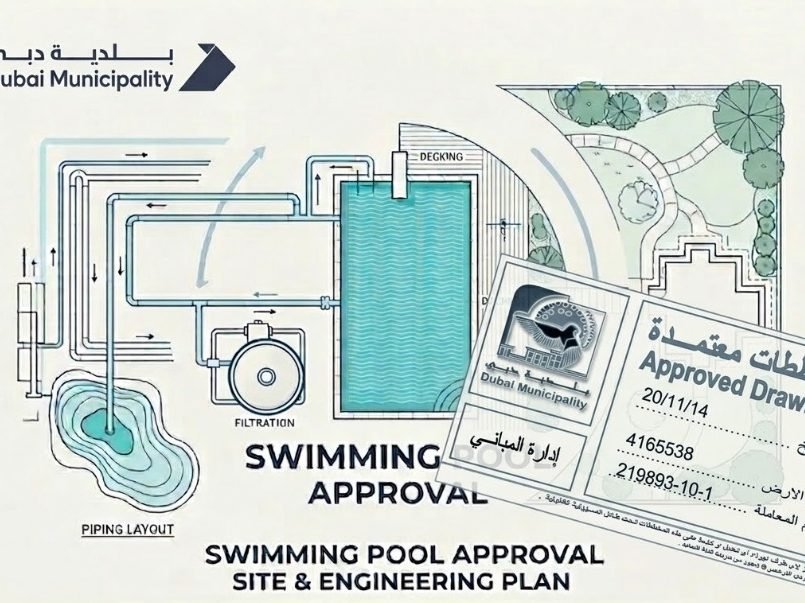
JAFZA approval refers to the official authorization required to carry out any type of construction, fit-out, or structural modification within the free zone. These approvals are typically managed through Trakhees, the regulatory authority responsible for engineering, environmental, and safety compliance in JAFZA.
This isn’t just about paperwork—it’s about ensuring your project aligns with international safety standards, environmental regulations, and operational efficiency requirements. Whether you’re building a warehouse, installing a mezzanine, or redesigning an office, every detail must meet strict guidelines.
In a fast-paced business environment like JAFZA, delays can cost time and money. That’s why understanding the approval process from the beginning is essential. Working with experienced consultants, like RASM Architectural Consultancy in Dubai, can make a significant difference in navigating the system smoothly.
Without JAFZA approval, your project cannot legally proceed. Even worse, unauthorized work can result in fines, project shutdowns, or license issues. So, if you’re serious about operating in JAFZA, approval isn’t just a step—it’s the foundation of your entire project.
Why JAFZA Approval Is Mandatory for Businesses
JAFZA operates under a strict regulatory framework designed to maintain safety, efficiency, and global standards. That’s why approval is mandatory for all construction and modification activities within the zone.
The first and most obvious reason is safety compliance. Industrial and logistics operations involve heavy machinery, storage systems, and large workforces. Without proper oversight, even minor structural changes can create serious risks.
Another key reason is legal compliance. JAFZA authorities require all businesses to obtain approval before making any changes to their premises. Failing to do so can lead to:
- Fines and penalties
- Suspension of operations
- Delays in trade license issuance or renewal
There’s also a strong link between approval and business continuity. Many companies don’t realize that without proper approvals, they may not be able to pass inspections required for ongoing operations.
Environmental compliance is another major factor. Through Trakhees EHS regulations, JAFZA ensures that businesses follow strict guidelines for waste management, emissions, and workplace safety.
From a financial perspective, approval protects your investment. It ensures that your project is recognized legally, making it easier to lease, sell, or insure your property.
In short, JAFZA approval is mandatory because it safeguards your business, employees, and long-term operations.
Who Requires JAFZA Approval?
If you’re wondering whether JAFZA approval applies to you, the answer is simple: almost everyone operating in JAFZA needs it.
This includes:
- Business owners setting up new facilities
- Companies modifying warehouses or offices
- Tenants making interior changes
- Contractors working on construction projects
Even seemingly small modifications—like installing partitions or adding storage systems—can require approval.
Role of RASM Architectural Consultancy in JAFZA Approval
Navigating JAFZA approvals can be complex, especially if you’re unfamiliar with Trakhees and EHS requirements. This is where RASM Architectural Consultancy in Dubai plays a crucial role.
RASM acts as your end-to-end approval partner, handling everything from design to final certification. Their expertise includes:
- Preparing compliant architectural and engineering drawings
- Managing submission through Trakhees portals
- Coordinating with EHS and other authorities
- Handling revisions and approvals
Working with a professional consultancy significantly reduces the risk of delays and rejections.
Types of JAFZA Approvals in Dubai
Warehouse & Industrial Approvals
These approvals cover construction and modifications in warehouses, including racking systems and structural changes.
Office Fit-Out Approvals
Required for interior modifications such as partitions, ceilings, and electrical layouts.
Mezzanine & Structural Modifications
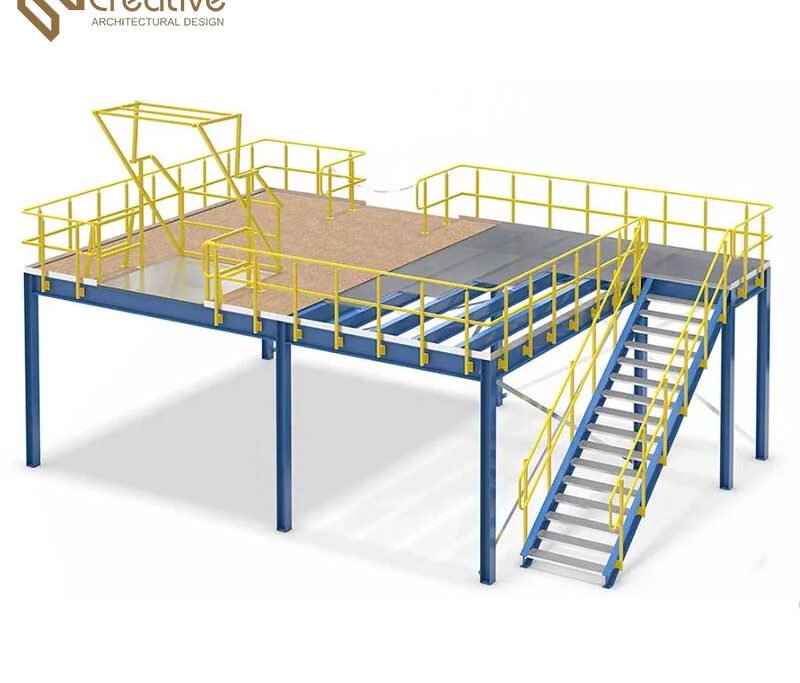
Mezzanine floors require strict structural and safety approval due to load-bearing considerations.
Step-by-Step JAFZA Approval Process
Design & Drawing Submission
Prepare detailed drawings through approved consultants like RASM.
Trakhees & EHS Approval
Submit documents for engineering and safety review.
Site Inspection & Final Certificate
After construction, inspections are conducted before final approval is issued.
Key Requirements for JAFZA Approval
Engineering & Structural Compliance
All designs must meet load and safety standards.
EHS & Fire Safety Regulations
Strict compliance with environmental and fire safety rules is required.
Documents Required for JAFZA Approval
- Architectural drawings
- Structural reports
- EHS documents
- NOCs
JAFZA Approval Cost in Dubai
Costs range from AED 5,000 to AED 25,000+, depending on project complexity.
Why Choose RASM Architectural Consultancy in Dubai
RASM offers:
- Fast approval handling
- Expert knowledge of Trakhees
- End-to-end service
Common Reasons for Approval Delays
- Incomplete submissions
- EHS non-compliance
- Design errors
Expert Tips to Get JAFZA Approval Fast
- Hire experienced consultants
- Submit complete documents
- Follow all regulations
Conclusion
JAFZA approval is essential for any business operating in the free zone. Working with experts like RASM Architectural Consultancy ensures a smooth and fast approval process.
FAQs
1. How long does JAFZA approval take?
2–6 weeks typically.
2. Is Trakhees involved?
Yes, it’s the main authority.
3. Do I need EHS approval?
Yes, for most projects.
4. Can I apply myself?
Not recommended.
5. What happens without approval?
Fines and project delays.