Trakhees Approval Dubai: Ultimate 2026 Guide to Permits, Process
What Is Trakhees Approval in Dubai? (Quick Overview)
If your project is located in areas like Jebel Ali Free Zone (JAFZA), Palm Jumeirah, or Nakheel developments, then Trakhees approval in Dubai is not just required—it’s the authority you must deal with from day one. Unlike general approvals handled by Dubai Municipality, Trakhees operates under PCFC (Ports, Customs and Free Zone Corporation) and specializes in regulating construction and business activities in designated zones.
At its core, Trakhees approval is the official permit that allows you to build, renovate, or operate within these areas while complying with strict engineering, environmental, and safety standards. What makes it unique is its integrated system that combines engineering approvals, Environmental Health & Safety (EHS) regulations, and commercial licensing checks into one streamlined process.
This means your project isn’t just reviewed for structure—it’s also evaluated for environmental impact, worker safety, fire risks, and operational hazards. For example, a warehouse in JAFZA won’t just need structural approval; it must also comply with waste management, fire safety, and hazardous material handling rules.
Dubai’s global reputation for world-class infrastructure depends heavily on authorities like Trakhees. Their role ensures that developments in high-value zones maintain international standards of safety, efficiency, and sustainability.
From an SEO perspective, if someone searches “Trakhees approval Dubai process” or “how to get Trakhees permit in JAFZA”, they’re usually looking for a clear, actionable guide. And here’s the simple truth: without Trakhees approval, your project cannot legally proceed.
So, whether you’re a property owner, contractor, or business investor, understanding this approval is your first step toward a smooth and compliant project in Dubai.
Do You Need Trakhees Approval in Dubai?
Let’s clear this up quickly—yes, you need Trakhees approval if your project falls within its jurisdiction. There’s no workaround, no shortcut, and no exception for “small projects.”
Many people assume approvals only apply to large-scale construction. That’s not the case. Even relatively minor activities like office fit-outs, warehouse modifications, or interior renovations require Trakhees clearance if they’re in designated zones.
Why is it so strict? Because Trakhees zones often include industrial hubs, logistics centers, and premium developments where even small changes can impact safety, operations, or the environment.
Here’s what typically requires approval:
- New building construction
- Villa or commercial modifications
- Office and retail fit-outs
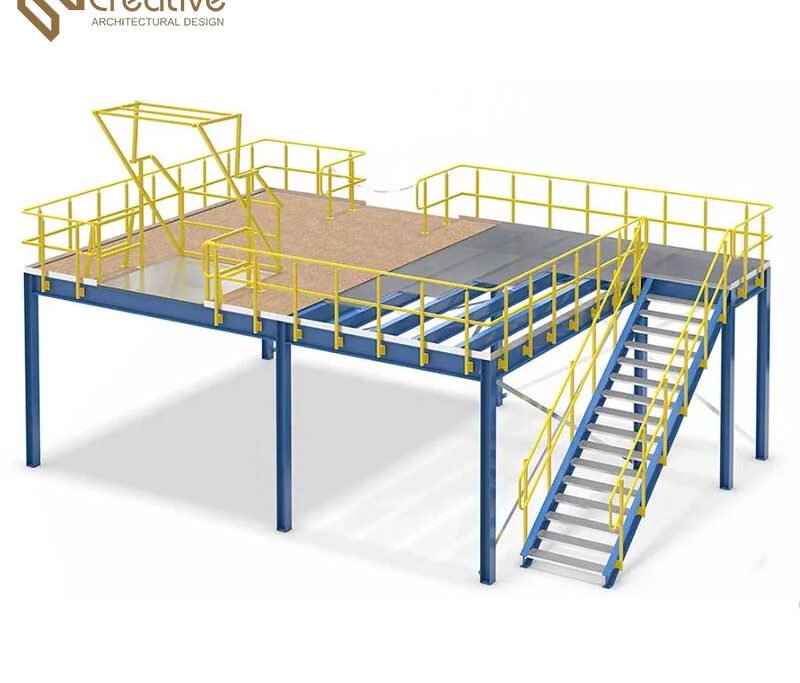
- Warehouse racking or mezzanine installation
- Electrical and plumbing changes
Skipping approval isn’t just risky—it’s expensive. Authorities can impose:
- Heavy fines
- Immediate stop-work notices
- Project delays
- License suspension
In some cases, you may even be forced to reverse or demolish unauthorized work, which can cost significantly more than getting approval in the first place.
Another important factor is business licensing. In areas like JAFZA, you cannot obtain or renew a trade license without Trakhees clearance. So if you’re running a business, approval isn’t just about construction—it’s tied directly to your ability to operate.
In simple terms, if your property falls under Trakhees, approval is not optional—it’s the foundation of your entire project.
Areas Where Trakhees Approval Is Mandatory
Understanding where Trakhees applies can save you a lot of confusion. Not all of Dubai falls under its authority, but if you’re working in certain key zones, Trakhees approval is mandatory.
Major areas include:
- Jebel Ali Free Zone (JAFZA)
- Palm Jumeirah
- Nakheel developments
- Dubai World projects
- Dubai Waterfront and Islands
Each of these areas has unique requirements. For example, Palm Jumeirah focuses heavily on aesthetics, villa regulations, and luxury standards, while JAFZA is more concerned with industrial safety, logistics efficiency, and environmental compliance.
This is where many projects get delayed—people apply through the wrong authority. If your project is in a Trakhees-controlled zone and you apply through Dubai Municipality, your application will simply not move forward.
A quick tip: always confirm your authority before starting. This small step can save weeks of delays.
Types of Trakhees Approvals
Construction & Building Permits
These permits are required for new buildings, extensions, and structural modifications. Trakhees reviews detailed plans to ensure compliance with engineering standards and zoning regulations.
Fit-Out & Renovation Approvals
Planning to modify your office, shop, or warehouse? You’ll need fit-out approval. This ensures that changes don’t affect structural integrity, fire safety systems, or operational flow.
EHS (Environment, Health & Safety) Approvals
This is where Trakhees stands out. EHS approvals cover:
- Waste management systems
- Hazardous material handling
- Worker safety protocols
For industrial projects, this is one of the most critical approvals.
Step-by-Step Trakhees Approval Process in Dubai
Design Submission & Engineering Drawings
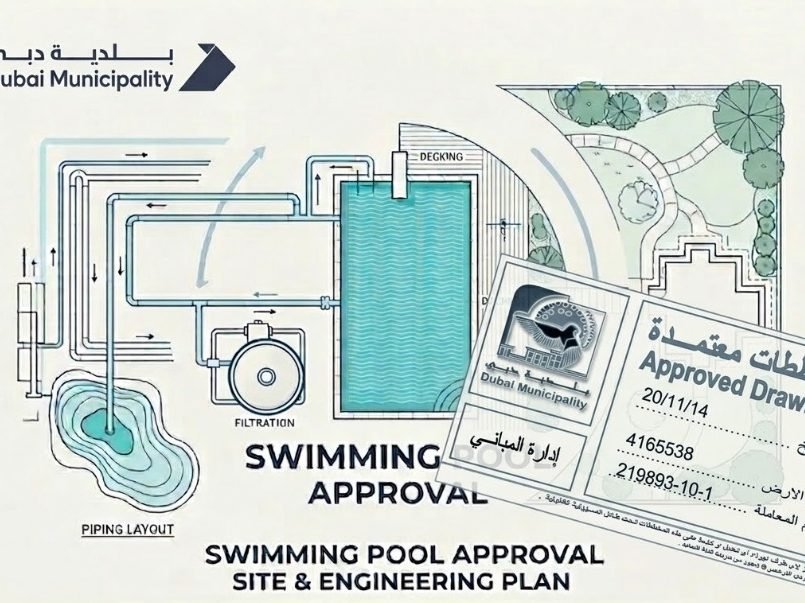
Start by preparing detailed architectural and engineering drawings. These must include layout plans, structural calculations, and safety systems.
Application Review, NOCs & Corrections
Submit your application along with required NOCs. Trakhees reviews the documents and may request revisions.
Site Inspection & Final Approval Certificate
After construction, inspectors verify compliance. Once approved, you receive your completion certificate.
Key Requirements for Trakhees Approval
Structural & Engineering Standards
Your project must meet strict engineering requirements, including:
- Load calculations
- Material specifications
- Structural safety
EHS Compliance & Safety Regulations
You must comply with:
- Environmental regulations
- Worker safety laws
- Fire safety standards
Documents Required for Trakhees Approval in Dubai
- Architectural drawings
- Structural reports
- EHS documentation
- NOCs
- Contractor details
Trakhees Approval Cost in Dubai (2026 Updated)
Costs typically range between AED 5,000 to AED 20,000+ depending on:
- Project size
- Complexity
- Type of approval
Common Reasons for Trakhees Approval Rejection
- Missing or incomplete documents
- Non-compliance with EHS standards
- Incorrect authority submission
- Design errors
How to Get Trakhees Approval Fast (Pro Tips)
Want faster approval? Focus on these:
- Hire Trakhees-approved consultants
- Submit complete documents the first time
- Double-check EHS compliance
- Avoid design errors
Conclusion
Trakhees approval in Dubai is a critical requirement for projects in key zones like JAFZA and Palm Jumeirah. Understanding the process, preparing accurate documents, and following regulations can help you get approved quickly and avoid costly delays.
FAQs
1. How long does Trakhees approval take?
Usually 2–6 weeks.
2. Is Trakhees approval mandatory?
Yes, for all projects in its zones.
3. What is EHS approval?
It ensures environmental and safety compliance.
4. Can I apply without a consultant?
Not recommended.
5. What happens if I skip approval?
Fines, delays, or demolition.